
Everything to play for

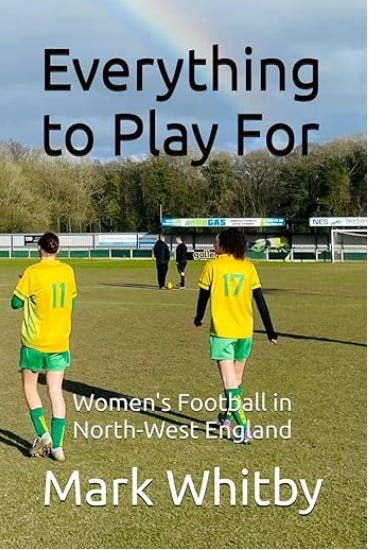
When writing my book "‘Everything to Play For,’ which came out in April, I was aware it could only offer a snapshot of the world of women’s football, a world that I knew would continue to change and has indeed done so. While the treble-winning triumph of Wirral United will probably mean little to most Manchester United fans, the huge investment that brought them that success has echoes at every level of women’s football.
It certainly resonates in the WSL, where London City Lionesses have recruited Putellas, city have awarded Bunny Shaw a huge salary to keep her at the club and Arsenal and Chelsea both continue to invest heavily in the gold rush offered by the WSL and Europe. Beth Mead has joined Miedema at city, United target Aggie Beever-Jones has renewed her contract at Chelsea, while Georgia Stanway has headed back to England to sign for Arsenal.
United, meanwhile, stand outside the transfer frenzy, determined to live within our means and investing primarily in emerging talent. Whatever happens in the rest of the window, it’s clear we won’t be offering anyone a salary close to that of Shaw any time soon and that any United players aspiring to such a windfall will have to move elsewhere to get it.
What I was keen to focus on in the book, however, was United’s greatest contribution to the women’s game so far: the fans. As fan culture in the women’s game begins to evolve, it was important to record for posterity the generative role United’s support played in that: whether it was the Barmy Army with their songs and chants, Andy Slater with his fanzine or Conner and Barry with All For United WFC, United’s fans have made a bigger contribution than anyone else to determining what support in the WSL looks like. And it’s important that nobody forgets that.

Last season, we toured Europe, out-singing everyone home and away. The depleted Wembley crowd at the FA Cup Final in May offered a depressing image of a women’s football landscape without United in it. As those empty Wembley seats spelt out all too clearly, the game needs our fans, undoubtedly, but it also needs the club and what it stands for. The club badly let down both itself and the women’s game in its abandonment of Manchester United Ladies in 2005 and it’s clear there’s still a battle to be fought about what the future of Manchester United Women looks like. For the sake of both United and the wider game, it’s a fight that needs to be won.
Everything to Play For is available here at £10 a copy: all profits go to sponsoring footballers at amateur levels of the women’s game.
Very well said Mark, perfect summary of what United can and should be bringing to the women's game. Of course the Lionesses are huge, but at club level there's still no draw on the imagination like United.